
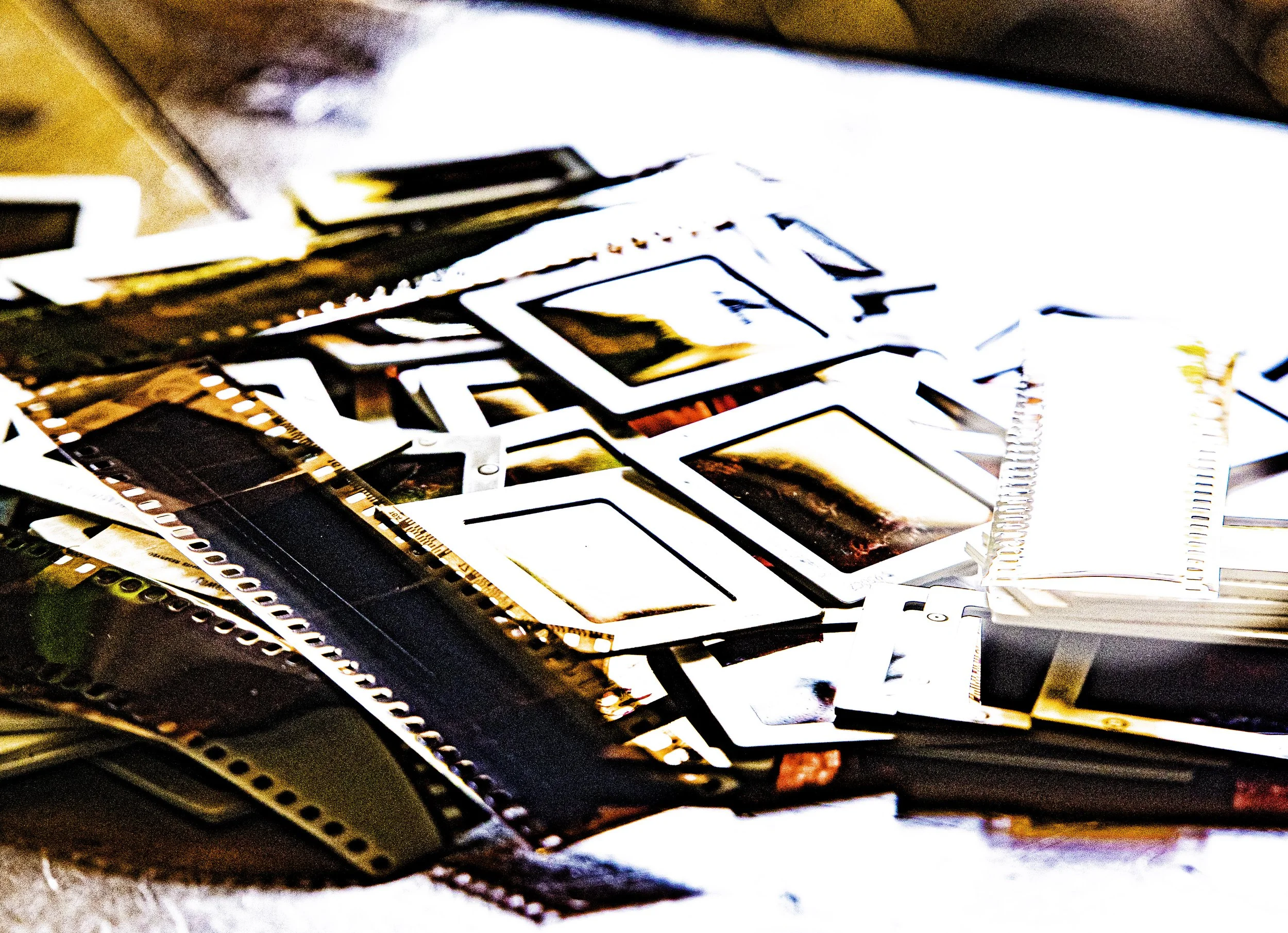
SLIDES & NEGATIVES DIGITIZING
All negative and slide types
Digitized to high-resolution JPG or TIFF files
Your slides and negatives contain color, detail, and moments often never printed on paper. We scan each frame using precise, high-resolution equipment to preserve every detail.
Northern Iowa & Southern Minnesota’s trusted slides/negatives-to-digital service.
641-200-4190
Over 15,000 memories preserved
〰️
Over 1000 hours of video digitized
〰️
Locally owned and operated
〰️
No Shipping Required!
〰️
Over 15,000 memories preserved 〰️ Over 1000 hours of video digitized 〰️ Locally owned and operated 〰️ No Shipping Required! 〰️
⭐ 5-Star Google Reviews
A reputation built on great service
Supporting Families & Businesses Across North Iowa



Choose Your Slides or Negatives TYPE
Quick pricing for every format.
Keeper pricing - only pay full price for the images you want, rejects cost $0.25 per rejected image
-
$ 0.65 each
Perfect for small boxes, carousels, or mixed sleeves.
26.2MP direct camera capture per image
Individual straightening and basic cropping
Exposure & color balance checks
Files organized into clearly labeled folders
Best when you’re starting with a smaller batch or testing the service before sending everything in.
-
$ 0.60 each
Perfect for small boxes, carousels, or mixed sleeves.
26.2MP direct camera capture for every image
Consistent, scene-by-scene exposure and color balance
Basic dust spotting on obvious marks
Organized folders so it’s easy to share with family
Great balance of volume pricing and high-quality capture.
-
$ 0.55 each
Perfect for small boxes, carousels, or mixed sleeves.
26.2MP direct camera capture for every frame
Consistent color and exposure across the whole project
Logical folder structure by box, carousel, or batch
Ideal for families archiving entire decades at once
If you’re sending everything you’ve got, this tier keeps it affordable.
-
Manual Color correction — $0.20/slide
Manual Dust/Noise removal — $0.40/slide
These are per-image restoration upgrades for collections that need extra cleanup or color work.
HOW WE DIGITIZE SLIDES & NEGATIVES
Slides and negatives require specialized equipment to capture the full dynamic range, color, and detail of the original film.
We use three (3) digitizing methods depending on film type & condition:
1. Automated 26.2MP Camera Capture Slide/Negative Feed Scanning
Used for:
All Slide formats
All Negatives
Clean, flat film strips
Large batches needing consistent
processing
What you get:
High-resolution digital scans at 26.2MP
Consistent exposure and color
Fast handling for large collections
2. Flatbed Film Scanning (for delicate or specialty film)
Used for:
Medium format negatives (120 / 220)
110 film, APS film
Curled, warped, or brittle film
Mounted slides that jam feeder systems
What you get:
Gentle handling — zero pressure on film
High clarity with even lighting
Best for fragile film or film that cannot be fed through automated systems
3. High-Resolution Camera Capture (for oversized or problem film)
Used for:
Severely curved or warped slides
Unusual film types
Damaged or stuck-together slides
Extra-large transparencies
What you get:
Extremely sharp RAW captures
Full dynamic range preserved
Ideal for restoration work
WHY DIGITIZING SLIDES & NEGATIVES IS URGENT
Most slides and negatives are now 40–80 years old and far beyond their intended lifespan.
Every year they risk:
Dye fading (especially cyan and magenta)
Chemical breakdown
Humidity damage
Heat warping
Mold growth
Scratches from handling
Loss from accidental disposal or fire
Once a slide or negative fades, there is no restoring the original color information — which makes digitizing them now a race against time.
Digitizing captures everything that remains, freezes it in time, and allows you to share those moments again with the people who matter.
Your slides & Negatives are not getting any Younger
Be honest… those slides have been sitting for 40-50+ years, right? Maybe it’s finally time to retire the old broken projector and bring those memories into the 21st century so your family can actually enjoy them.