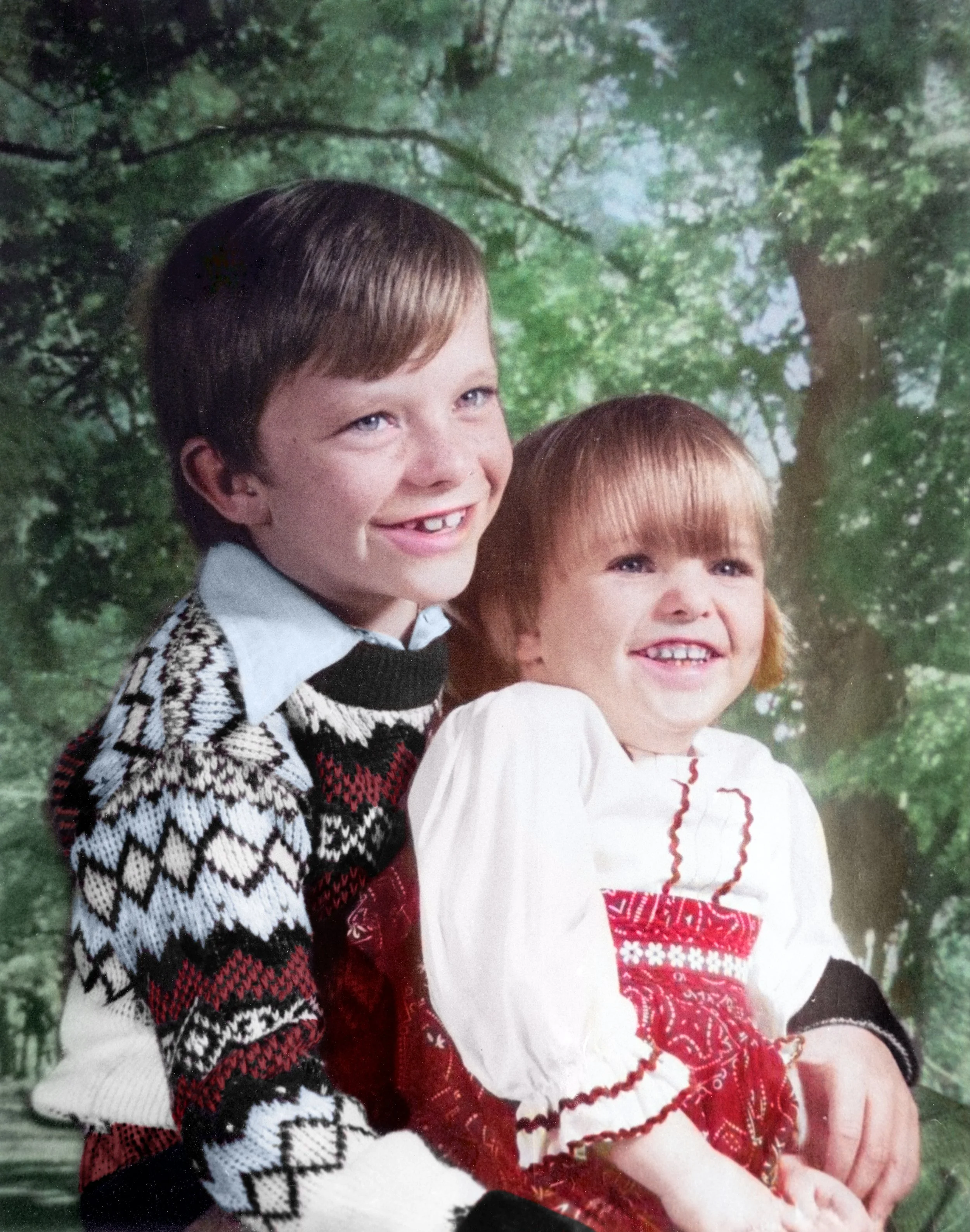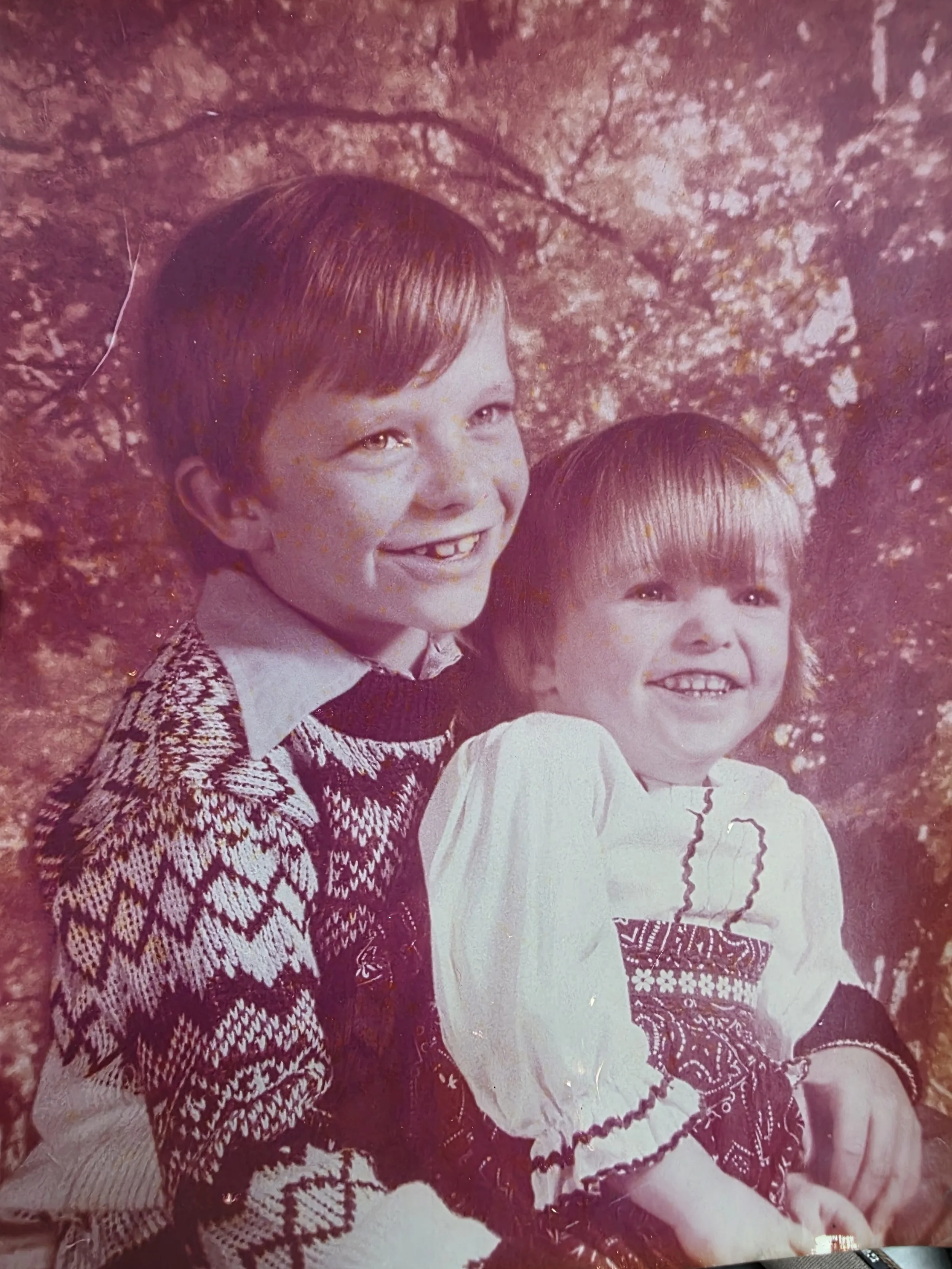
PRESERVE YOUR PHOTOS’ TRUE BEAUTY — ONE RESTORATION AT A TIME
Faded, scratched, torn, stained, or underexposed photos — we restore them with care, clarity, and precision.
From basic enhancement to advanced digital reconstruction, your images are restored in-house using professional editing tools — never outsourced.
Color correction • Scratch removal • Tear repair • Spot healing • Exposure balancing • Moderate digital reconstruction
North Iowa & Southern Minnesota’s trusted photo restoration service.
Call us with Questions
641.200.4190
🛡️ Trusted Local Service
Serving North Iowa & Southern Minnesota
Why North Iowa Families Trust SnapCache
🛡️ Secure, In-House Digitizing
Your tapes never leave Mason City
⭐ 5-Star Google Rated
Safe, fast, and reliable
“Clients tell us they love our fast turnaround, clear communication, and the care we take with their family memories.”
Choose Your Enhancement Type
Quick pricing for every format
-
$10/image
Ideal for:
• Light color correction
• Brightness/exposure balance
• Minor dust/scratch removal
• Sharpening and clarity improvementDeliverables:
• High-resolution JPG or TIFF
• Before/after comparison available upon request -
$25/image
Best for photos with:
• Noticeable scratches
• Light tears
• Moderate fading or discoloration
• Mild water spots or blemishesIncludes:
• Full tonal correction
• Color recovery
• Precision healing and patching
• Edge cleanup -
$50/image
Made for heavily damaged images with:
• Deep creases
• Large tears or missing sections
• Significant fading
• Heavy staining
• Silvering on dark areas
• Mold spottingIncludes manual reconstruction, texture rebuilding, and full detail recovery wherever possible.
HOW WE RESTORE YOUR IMAGES
1. High-Resolution Capture
Your prints are scanned using professional-grade equipment at 600–1200 DPI to capture every detail.
2. Digital Cleaning & Correction
We remove dust, correct color, fix exposure, and restore natural tones without over-editing.
3. Damage Repair & Rebuild
Tears, creases, scratches, stains, and missing sections are carefully healed or digitally reconstructed.
4. Texture & Detail Restoration
Skin tones, clothing texture, and natural grain are restored to look authentic — never artificial.
5. Final Mastering Output
You receive:
• High-resolution JPG or TIFF
• Optional archival TIFF
• Optional print-ready versions
⭐ WHY PHOTO RESTORATION MATTERS
Old photographs don’t just fade — they break down chemically over time.
Restoring them now ensures they survive for future generations.
Common aging issues include:
• Yellowing and color shifting
• Silvering (metallic sheen on dark areas)
• Cracking and emulsion decay
• Water damage and staining
• Mold exposure
• Dust, scratches, and surface abrasion
• Sunlight fading
Most photos from the 1940s through the early 2000s are already deteriorating.
Digital restoration preserves them permanently, allowing easy sharing, printing, and archiving.
THE HISTORY OF PHOTO PRESERVATION
Printed photos have been the way families documented life for more than 130 years — but every generation’s photo technology came with its own strengths, weaknesses, and aging problems. Understanding the history helps explain why your images are fading now, and why digitizing today preserves them permanently.
📷 The Birth of Everyday Photography (1900s–1930s)
The introduction of the Kodak Brownie made photography accessible to ordinary families for the first time. Millions of early prints were made using silver-based photographic paper, which created beautiful tones but was extremely sensitive to aging.
Common problems with photos from this era:
• Silvering (a shiny, metallic sheen on darker areas)
• Progressive yellowing
• Cracking or brittleness
• Fading due to unstable chemical fixing
• Damage from humidity or poor storage
Many century-old prints are now one bad bend away from permanent cracking.
🌈 The Color Boom (1940s–1970s)
Color film transformed family photography. Suddenly every birthday, vacation, holiday, and childhood moment could be captured in full color.
But early color chemistry had a problem:
It wasn’t built to last 50+ years.
What happens to color prints as they age?
• Reds fade first
• Skin tones shift yellow or green
• Blues turn cyan
• Heat and humidity accelerate decay
Families often have shoeboxes full of photos from this era — and most are already significantly faded, even if stored indoors.
📚 The 1-Hour Photo Era (1980s–2000s)
The rise of mini-labs made photo printing fast and affordable. Families printed entire rolls at a time — often without duplicates or negatives kept safe.
These prints are often packed with emotional value:
• First days of school
• Graduations
• Pets and family traditions
• Road trips
• Loved ones who may no longer be with us
However, the chemistry behind 1-hour prints was less stable than earlier processes.
Common issues today:
• Color shifting rapidly
• Edges curling
• Photos sticking together
• Dyes breaking down
• Loss of contrast
This entire generation of prints — now 20–40 years old — is fading faster than expected.
📘 Scrapbooks & Adhesive Albums (1960s–2000s)
Magnetic photo albums and early scrapbooks were extremely popular — and extremely damaging.
Common deterioration includes:
• Adhesive staining and yellowing
• Photos permanently bonded to the page
• Ink transfer from adjacent materials
• Newspaper clippings crumbling
• Warping from glue or tape
Digitizing these pages “as-is” preserves the layout, context, and memories that were originally intended.
🧪 Why Printed Photos Age — Even in Storage
All printed photos share vulnerabilities:
• UV light breaks down dyes
• Humidity warps paper and causes mold
• Chemical reactions continue for decades
• Ink and dyes are inherently unstable
• Physical handling introduces scratches and bends
Even photos kept in boxes, closets, or albums are still degrading right now.
🖥️ Why Digitizing Photos Matters More Than Ever
Digitizing your printed photos now:
• Stops fading in its tracks
• Preserves color accurately in high resolution
• Allows easy sharing with family
• Protects against fire, flood, and loss
• Ensures memories survive long after the paper doesn’t
Your photos hold your family’s history — digitizing ensures they’re safe for future generations.
Your OLD Photos are not getting any Younger
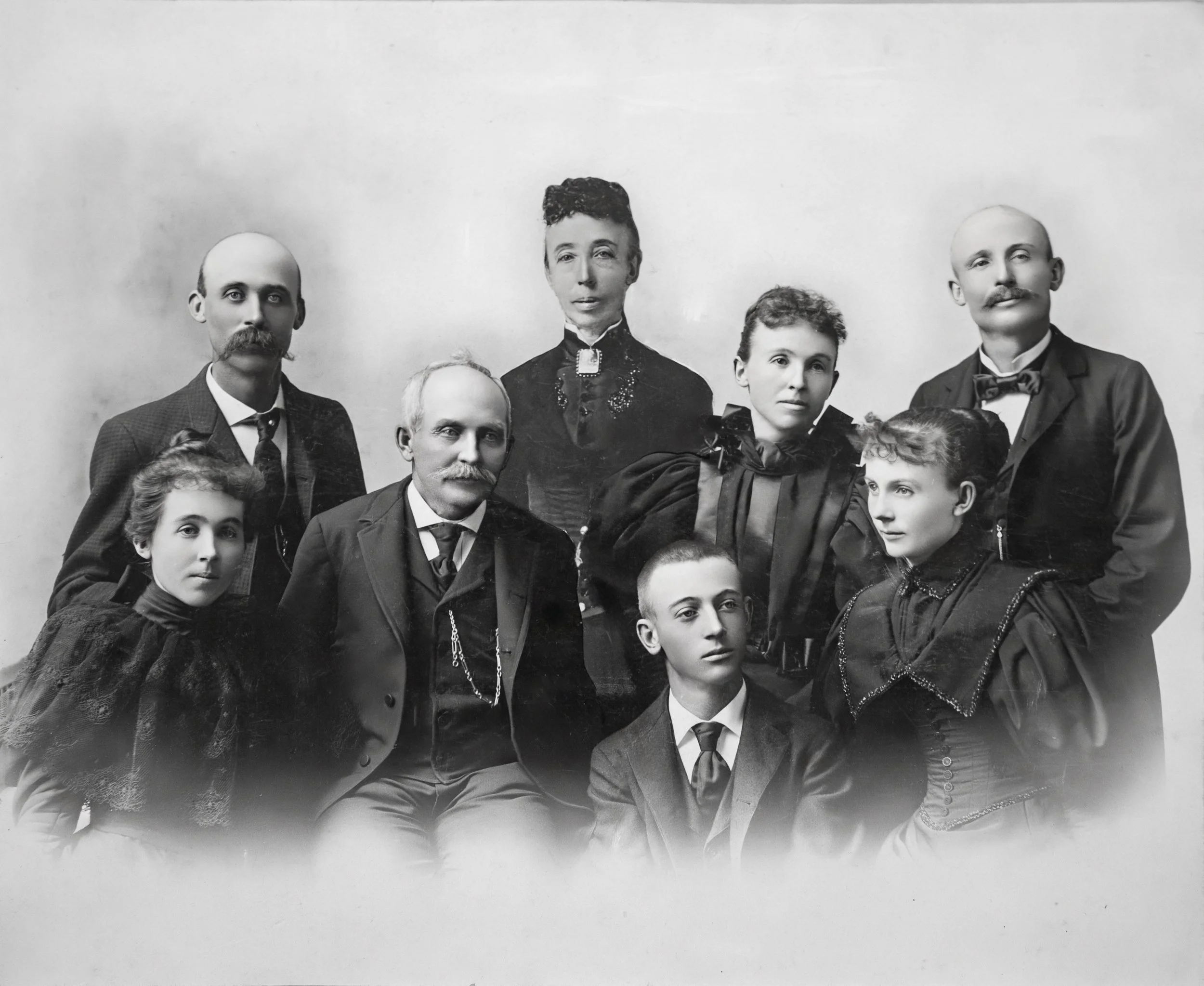
I get it, the dark line above uncle Fred’s head makes him look like Alf Alfa is…um.…nostalgic…but…
Let’s remember him without it…ok?