
PRESERVE YOUR PHOTOGRAPHs
300 DPI • 600 DPI • 1200 DPI Automated Single Duplex Pass Flat Feed, Flatbed & Camera Capture
Your printed photos fade, crack, and discolor over time.
We gently digitize your photo collection including albums, loose prints, & portraits using professional, high-resolution scanning equipment.
Your photos never leave Mason City, and every image is handled safely by hand.
Northern Iowa & Southern Minnesota’s trusted photo-to-digital service.
641-200-4190
Over 15,000 memories preserved
〰️
Over 1000 hours of video digitized
〰️
Locally owned and operated
〰️
No Shipping Required!
〰️
Over 15,000 memories preserved 〰️ Over 1000 hours of video digitized 〰️ Locally owned and operated 〰️ No Shipping Required! 〰️
⭐ 5-Star Google Reviews
A reputation built on great service
Supporting Families & Businesses Across North Iowa



Choose Your Photo Type and scanning Resolution
Quick pricing for every format.
-
$0.30 per photo
Best for basic archiving, sharing, and everyday prints
Suitable for most family photos
-
$0.50 per photo
Ideal for enhanced detail and reprinting up to original size
Best for important family archives, portraits, albums
-
$1 per photo
Designed for small prints (wallet-size), restoration work, or heavy cropping
Captures maximum detail and texture
-
Starting at $2.00 per photo
Used for curled, brittle, textured, glued, or valuable photos
Used when photos cannot be safely scanned by auto-feed or flatbed
Ideal for portraits, framed items, album pages you cannot remove
Ensures safe, non-destructive scanning
-
Color restoration included (basic)
Advanced restoration available upon request
USB drives starting at $5
Cloud delivery included
Before and After Scanning
Basic color correction is included with every photo scan at no additional charge.
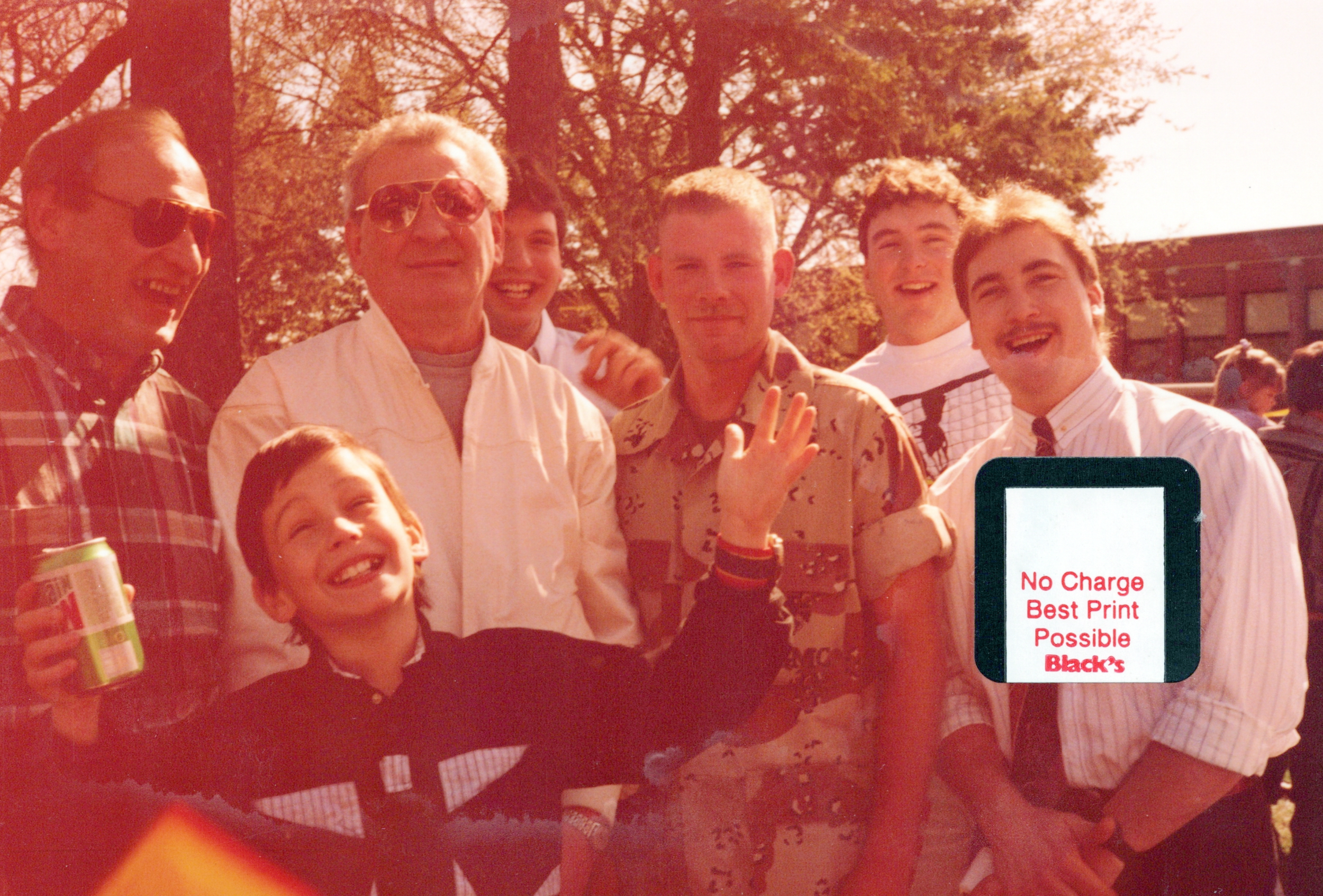
Original Image
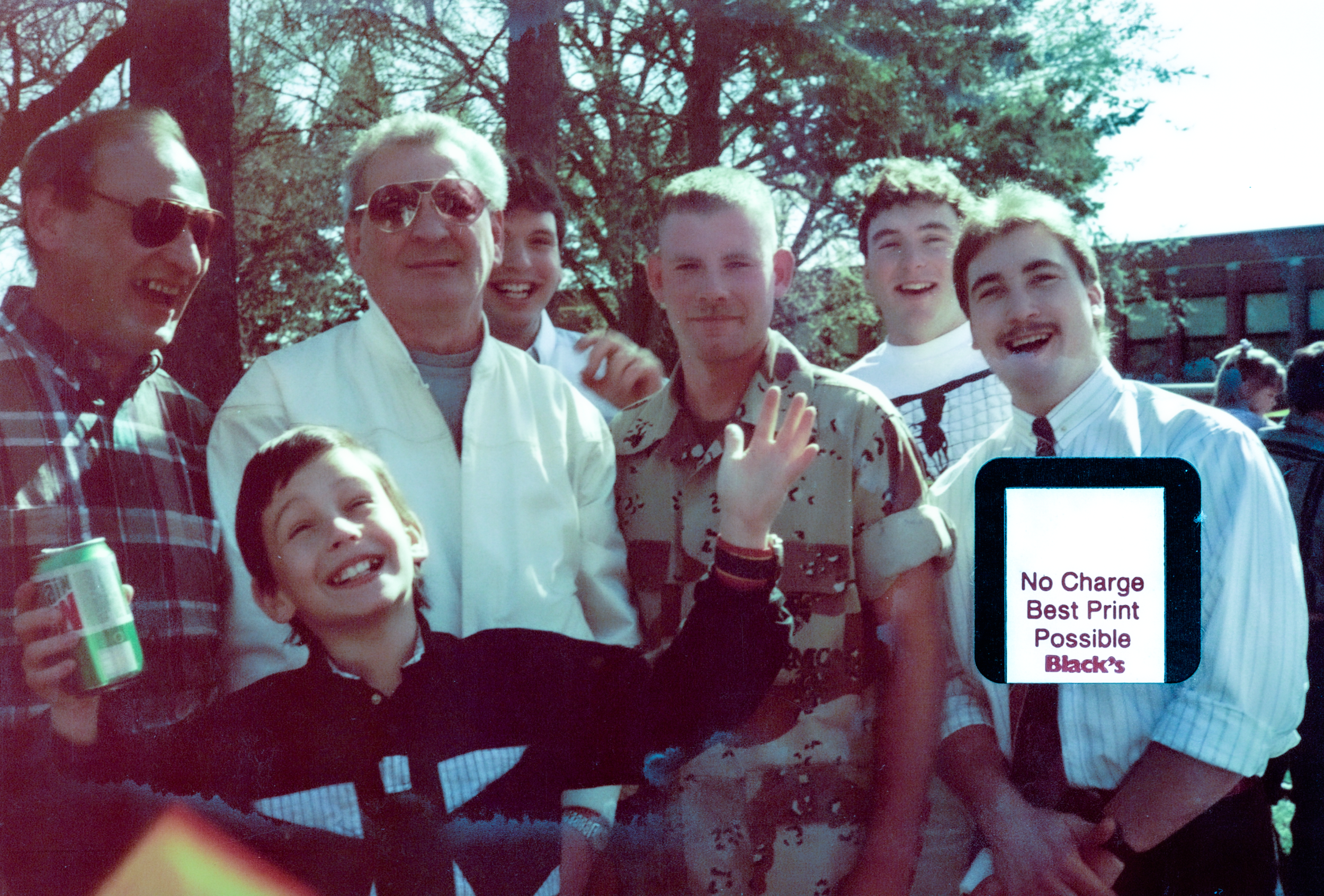
Color Corrected
PHOTO DIGITIZING
Starting at $0.30 per photo
(300, 600, or 1200 DPI ,Automated, Flatbed & Camera Capture)
Digitizing is performed in-house using professional equipment to ensure clear, accurate color and sharp detail.
No outsourcing. No automated “AI guessing”, only true preservation.
CHOOSE YOUR SCAN RESOLUTION
300 DPI – Everyday Scanning
Best for:
Newer (less than 20 years old) Standard sized prints (3×5, 4×6, 5×7 etc)
Photos intended for online sharing
Family albums where ultra-high detail isn't necessary
Quickest turnaround time
What you get:
Good clarity
True-to-original color
Excellent for viewing on phones, TVs, and computers
Use when: The originals are in good shape and you want clean digital copies.
600 DPI – High-Quality Archival Scanning (Most Popular)
Best for:
Older photos
Photos with fine detail
Portraits, studio photographs
Images you might want to crop or enlarge later
What you get:
Noticeably sharper detail
Better texture preservation
More flexibility for editing or restoring later
Use when: You need great balance of quality + file size.
1200 DPI – Professional Detail Capture
Best for:
Small photos (wallet-sized, 2x2, etc.)
Photographs with handwriting or fine grain
Restoration projects
Archival-level preservation
What you get:
Maximum captured detail
Greater flexibility for enlargements and cropping
Ideal for professional restoration work
Use when your photos are heirlooms or highly damaged, when you plan to make larger prints, or when you want the best possible resolution from the original photograph.
Large Photo Collections & Bulk Photo Scanning
Have hundreds or thousands of family photos? SnapCache specializes in digitizing large photo collections for families throughout Iowa. You don't have to spend weeks sorting everything first. Bring or send us your collection, and we'll professionally scan your photographs so you can review, organize, preserve and share them digitally. Bring in that huge tote or shoeboxes full of your families history and let us do the rest!
Our Discovery Pricing option is designed for large, unsorted collections, allowing you to digitize first and decide what matters afterward.
IRREGULAR PHOTOGRAPHS
Photos larger than 8.5" x 11"
Mounted photographs
Framed photos (glass removed when possible)
Curled, brittle, or stuck-together items
OPTIONAL ENHANCEMENTS
Minor Photo Restoration — $35/image
Color correction, dust/scratch removalModerate Photo Restoration — $75/image
Tears, water stains, missing image areas, etc.Metadata Tagging — $0.05/image
Backside Capture (handwriting scanning) — $0.05/image
WHY DIGITIZING PHOTOS MATTERS
Most printed photographs are:
20–70 years old
Stored in albums that use acidic glue
Fading from UV exposure
Discoloring from humidity and temperature fluctuations
At risk of sticking, tearing, or cracking
Digitizing protects against:
Color fading (especially cyan loss)
Paper deterioration
Mold growth
Accidental loss (fire, flooding, handling damage)
Digitizing preserves your family’s memories permanently, allowing easy sharing and safe storage.
HOW WE scan your photos
We capture your photos using:
Automated Feed Scanning
Used for:
Fast, high-volume scanning for large photo collections
Front and back scanning in a single pass (duplex)
Ideal for 3×5, 4×6, 5×7 and other standard photo sizes
Gentle, low-pressure rollers designed for photo stock
Automatic skew correction and dust detection
Consistent capture across hundreds or thousands of photographs
Automated feed scanning allows us to process large collections efficiently while maintaining consistent image quality, making it ideal when you have boxes or envelopes filled with standard prints.
Great for shoebox photos, envelopes, or large loose collections of prints.
High-Resolution Camera Capture
Used for:
Large portraits and oversized photographs
Mounted photos that cannot safely pass through a scanner
Fragile, brittle, curled, or damaged photographs
Photos attached to backing boards or other materials
Stuck, taped, or unusually shaped items
Photographs requiring careful, non-contact handling
High-resolution camera capture allows us to digitize difficult or delicate photographs without feeding them through rollers or placing unnecessary pressure on the original.
Ideal for oversized, fragile, mounted, or one-of-a-kind photographs.
Flatbed Scanning
Used for:
Standard prints on heavy or rigid photo stock
Postcards and other thick photographic materials
Delicate photographs that should not be feed-scanned
Curled or irregular prints requiring controlled placement
Photographs requiring precise positioning and consistent focus
Older prints where additional handling care is appropriate
Each photograph is individually positioned and scanned to produce sharp, consistent detail while minimizing handling of the original.
Ideal for older, delicate, thick, or unusually shaped photographs.
Your old Photos are not getting any Younger
You remember the moment… the people, the place, the feeling.
Don’t let time erase it